Minn Kota Endura C2
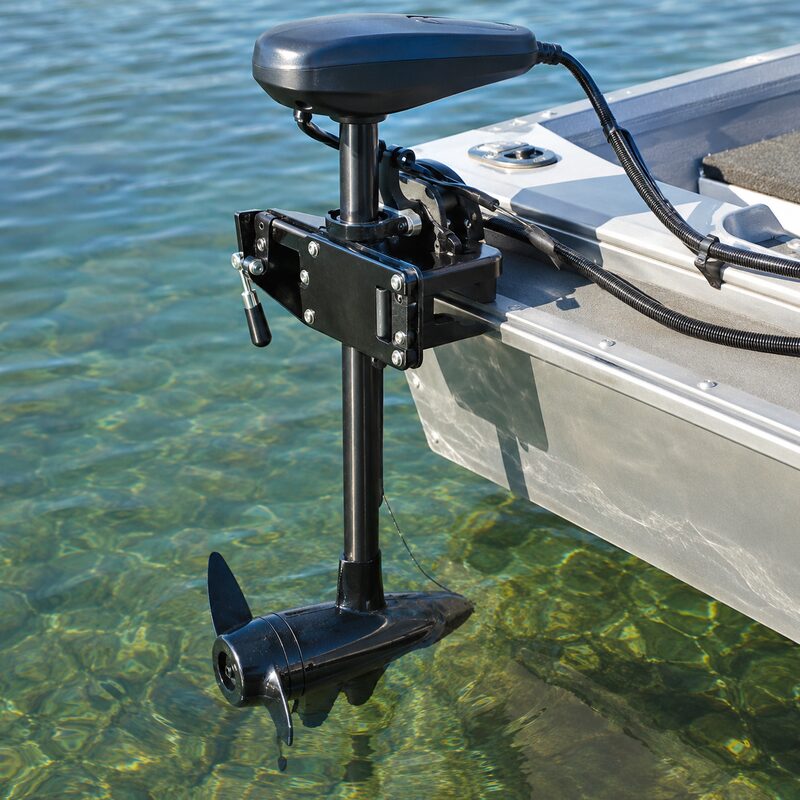
The benchmark beginner motor. A simple, tough 12V transom mount with a telescoping tiller and indexed depth collar — ideal for small aluminum boats, jon boats, and kayaks.
A trolling motor gives you quiet, precise control — for sneaking up on fish, holding position in wind, or maneuvering around a dock without firing up the outboard. The right model comes down to three numbers: thrust (matched to your boat's weight), voltage (12V, 24V, or 36V), and shaft length (matched to your bow height).
Below are three proven models that cover the range from first-boat budget builds to GPS-equipped bow mounts. We focus on manufacturer specs and long-standing owner consensus — not invented test scores.
Proven models that balance price, durability, and real-world performance. Prices change often — tap through for the current price.

The benchmark beginner motor. A simple, tough 12V transom mount with a telescoping tiller and indexed depth collar — ideal for small aluminum boats, jon boats, and kayaks.

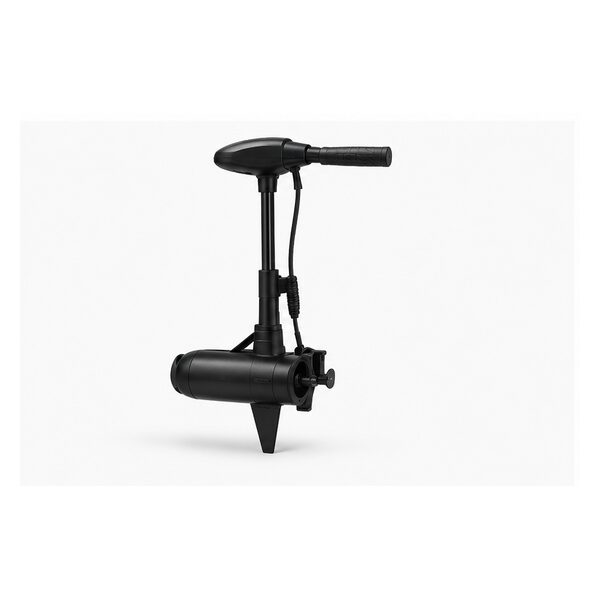
A GPS bow mount with Spot-Lock, which holds your boat on a fixed point automatically — no anchor needed. The single biggest upgrade for anglers who fight wind and current.

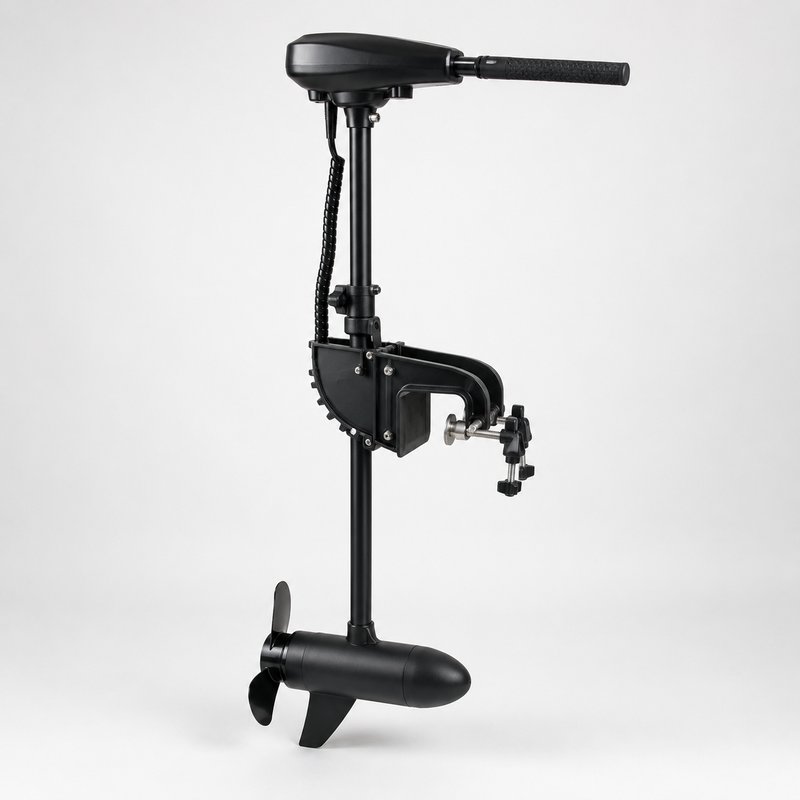
A saltwater-rated transom motor with a corrosion-resistant hardware and an 8-speed control (5 forward, 3 reverse). Strong value for tenders, inflatables, and small bay boats.
A common rule of thumb is roughly 2 lb of thrust per 100 lb of fully-loaded boat weight (including gear and passengers), with 5 lb minimum. Heavier boats, wind, and current all push you toward more thrust — when in doubt, size up rather than down.
12V motors top out around 55 lb thrust and run off a single battery — fine for small boats. Higher-thrust 24V and 36V motors need two or three batteries wired in series but deliver more run time and push bigger hulls.
Measure from the mounting surface to the waterline. The motor head should stay out of the water while the prop sits roughly 12 inches below the surface. Too short and the prop ventilates and cavitates in chop; too long is usually the safer miss.
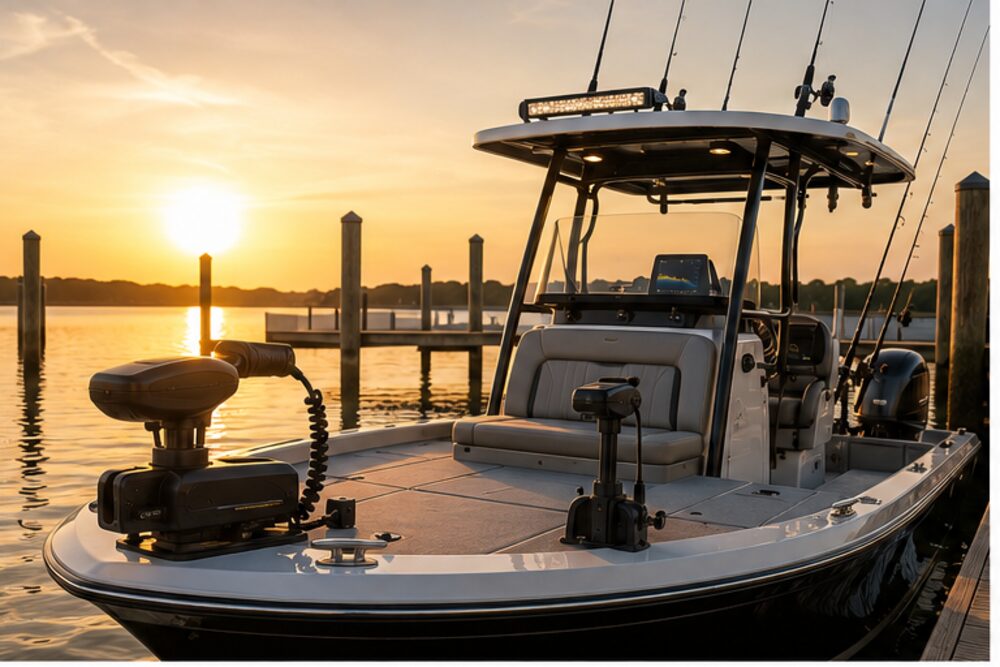
Transom mounts are cheaper and simpler — great for small boats and tiller control. Bow mounts pull the boat (more controllable in wind) and unlock foot-pedal and GPS features like Spot-Lock, which is transformative for hands-free fishing.
Buying a GPS motor like the Terrova? You can often skip a second anchor purchase — Spot-Lock holds you on a waypoint electronically, which is quieter and faster to reposition than dropping and resetting an anchor.

Estimate about 2 lb of thrust for every 100 lb of fully-loaded weight, then round up if you regularly fish wind or current. A 2,500 lb rigged boat is comfortable with roughly 55 lb of thrust or more.
It will work, but salt accelerates corrosion. Choose a model with sealed, saltwater-rated hardware and a sacrificial anode, and rinse the lower unit with fresh water after every trip.
Use a deep-cycle marine battery (not a starting battery). A 12V motor runs on one; 24V needs two and 36V needs three wired in series. Group 27 or larger AGM or lithium batteries give the best run time.
If you fish from the bow in wind or current, most owners say yes — it holds position automatically so you can keep both hands on the rod, and it repositions instantly without resetting an anchor.
Affiliate Disclosure: BoatGear.co is reader-supported. When you buy through links on our site, we may earn an affiliate commission at no additional cost to you. As an Amazon Associate and eBay Partner, we earn from qualifying purchases. We only recommend gear we'd use ourselves, and we never invent specs or reviews.