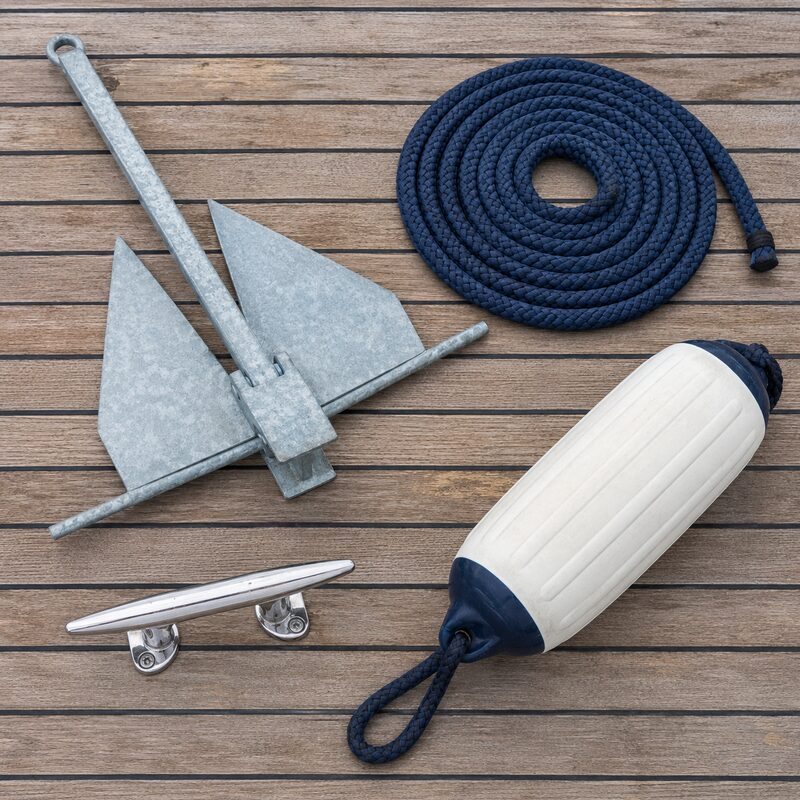
Galvanized anchor, navy dock line, cleat and fender on a wooden deck
Category · Ground Tackle

Best Boat Anchors & Docking Gear for 2026

An anchor's job is simple: keep your boat where you put it. But the best anchor for your boat depends on two things — the bottom you anchor over (sand, mud, grass, or rock) and the size and windage of your hull. Most boaters are best served by a fluke or claw anchor sized to their boat length.

An anchor's job is simple: keep your boat where you put it. But the best anchor for your boat depends on two things — the bottom you anchor over (sand, mud, grass, or rock) and the size and windage of your hull. Most boaters are best served by a fluke or claw anchor sized to their boat length.

These three covers the most common needs — from lightweight aluminum flukes with exceptional holding-to-weight, to a do-anything claw. Pair any of them with the right rode (chain plus line) and a few dock lines and fenders.

Top Picks · 2026

Our Recommendations

Proven models that balance price, durability, and real-world performance. Prices change often — tap through for the current price.

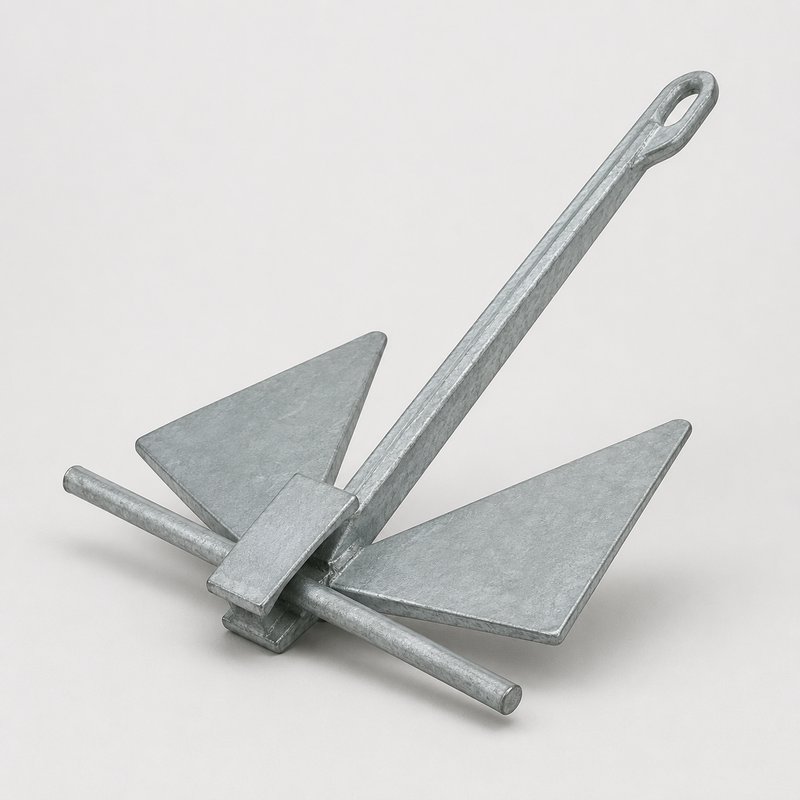
Best All-AroundGalvanized claw-style boat anchor
Claw / Scoop

Lewmar Claw Anchor (Galvanized)

A Bruce-style claw that sets quickly across sand, mud, and rock and resets well when the wind shifts. Forgiving and low-fuss — the anchor most owners reach for first.

TypeClaw
MaterialGalvanized steel
BottomsSand/mud/rock
Sizes4–22 lb
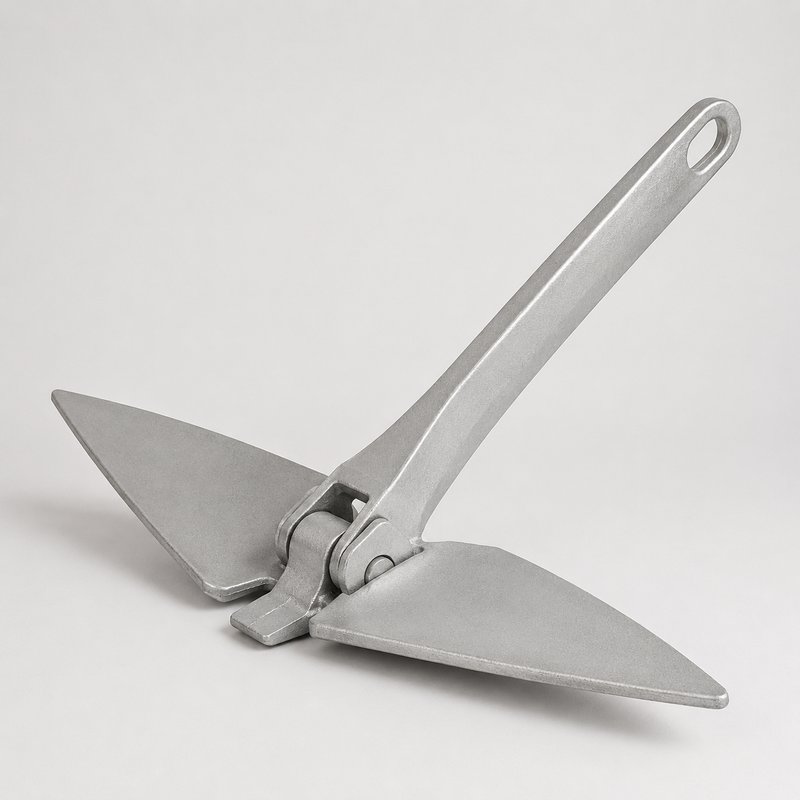
Best Holding-to-WeightLightweight aluminum fluke anchor
Aluminum Fluke

Fortress / Guardian Aluminum Anchor

A precision aluminum fluke anchor that's a fraction of the weight of steel for the same holding power — easy to stow and deploy. Excellent in sand and soft mud.

TypeFluke
MaterialAluminum
BottomsSand/mud
EdgeLight weight
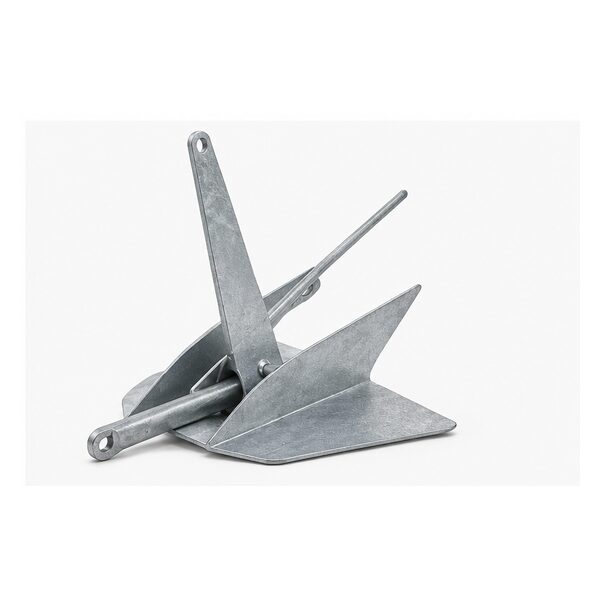
Best Budget FlukeGalvanized Danforth-style fluke anchor
Danforth-Style

Extreme Max BoatTector Fluke

A classic galvanized Danforth-style fluke at a friendly price. Flat profile stows easily in an anchor locker and bites hard in sand and mud — a smart first anchor.

TypeFluke
MaterialGalvanized
BottomsSand/mud
StowsFlat
Buyer's Guide

How to Choose

Size the anchor to your boat

Manufacturers publish a boat-length and wind rating for each anchor size. Choose by your boat's length and displacement, then go one size up if you anchor in exposed water or strong wind. An undersized anchor that drags is worse than no anchor.

Match the anchor to the bottom

Fluke (Danforth-style) anchors hold best in sand and mud and have superb holding-to-weight. Claw anchors set fast and handle mixed bottoms including rock and grass. If you anchor in one type of bottom often, optimize for it.

Use the right rode and scope

Anchor rode is the line and chain between boat and anchor. A length of chain at the anchor helps it lie flat and set. Let out a scope of about 7:1 (seven feet of rode per foot of water depth) for a secure overnight hold.

Don't forget docking gear

Two to four dock lines sized to your boat, plus fenders to protect the hull, and a couple of cleats make tying up painless. A foldable boat hook earns its keep at the ramp and the slip.

Holding power comes from scope, not just anchor weight. Even a perfectly sized anchor will drag on too little rode — carry enough line to pay out at least 7:1 in the deepest water you anchor in.

Questions

Frequently Asked

What size anchor do I need?

Go by the manufacturer's boat-length and wind rating rather than a single weight number. As a rough guide, many 18–22 ft boats are well served by an 8–14 lb fluke or claw, sized up for windy, exposed anchorages.

Fluke or claw anchor — which is better?

Fluke anchors give the most holding power for their weight in sand and mud. Claw anchors set faster and handle mixed and rocky bottoms more reliably. Many boaters carry one of each for different conditions.

How much anchor line should I carry?

Plan for a scope of about 7:1. For anchoring in up to 20 feet of water you'd want roughly 140 feet of rode, ideally with a few feet of chain at the anchor to help it set and to resist chafe.

Do I need chain on my anchor?

A short length of chain (often 4–6 feet for small boats) helps the anchor lie flat so the flukes dig in, adds weight low in the system, and protects the line from abrasion on the bottom.

Affiliate Disclosure: BoatGear.co is reader-supported. When you buy through links on our site, we may earn an affiliate commission at no additional cost to you. As an Amazon Associate and eBay Partner, we earn from qualifying purchases. We only recommend gear we'd use ourselves, and we never invent specs or reviews.