Airhead Mach Series Towable
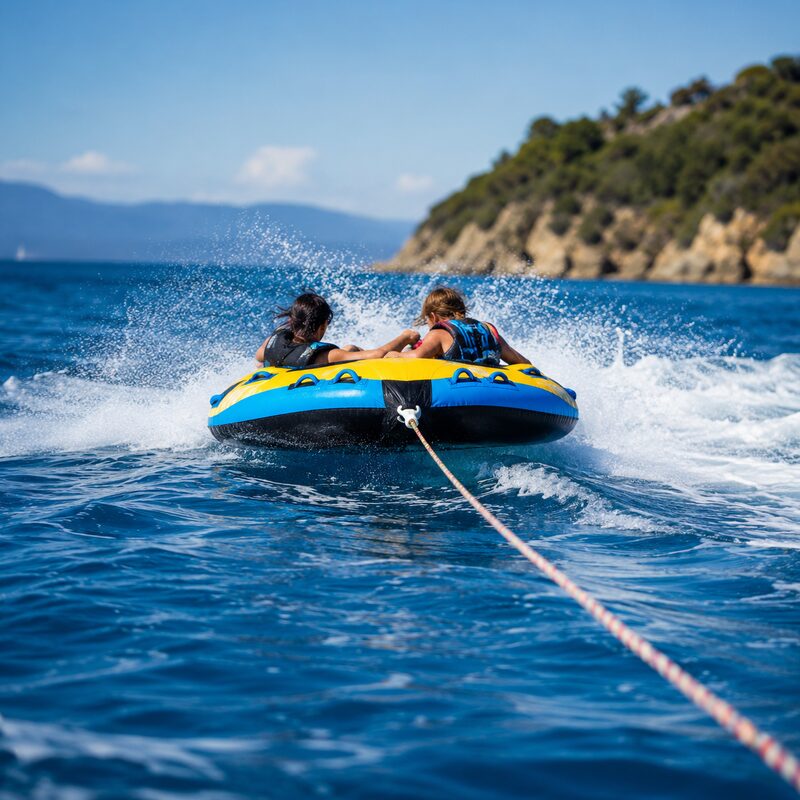
A durable, affordable deck-style tube for one or two riders who want speed and air. Heavy-gauge bladder, nylon cover, and padded handles — the classic lake-day starter that takes a beating.
Nothing turns a boat into a lake-day machine faster than a towable tube. The choices are simpler than they look: how many riders, and a deck (lay-on, faster, more thrilling) versus cockpit (sit-in, more secure) style. The one thing people skip and shouldn't — a properly rated tow rope matched to the tube's rider count.
Here are three crowd-pleasers from 1–2 rider thrill tubes to a comfortable sit-in design, plus everything you need to know about ropes. Always tow with a rope rated for at least the tube's maximum rider count, and put PFDs on every rider.
Proven models that balance price, durability, and real-world performance. Prices change often — tap through for the current price.

A durable, affordable deck-style tube for one or two riders who want speed and air. Heavy-gauge bladder, nylon cover, and padded handles — the classic lake-day starter that takes a beating.

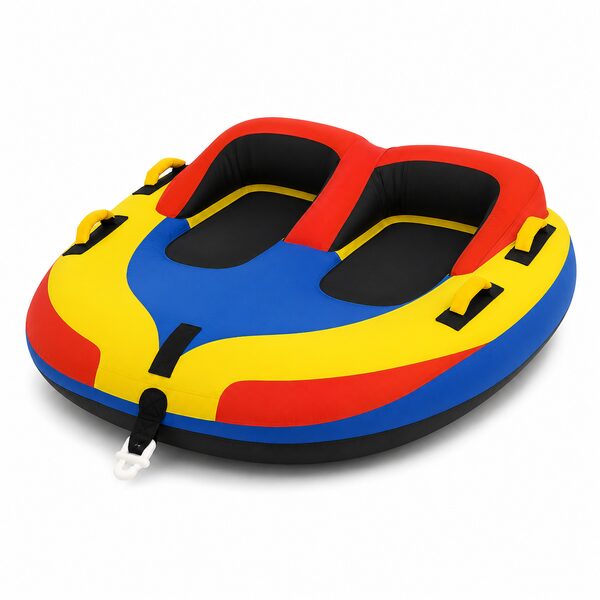
A sit-in cockpit tube with backrests and a secure, stable ride — easier for kids and nervous first-timers than a flat deck tube. Roomy two-rider seating with a wide base for confidence at speed.

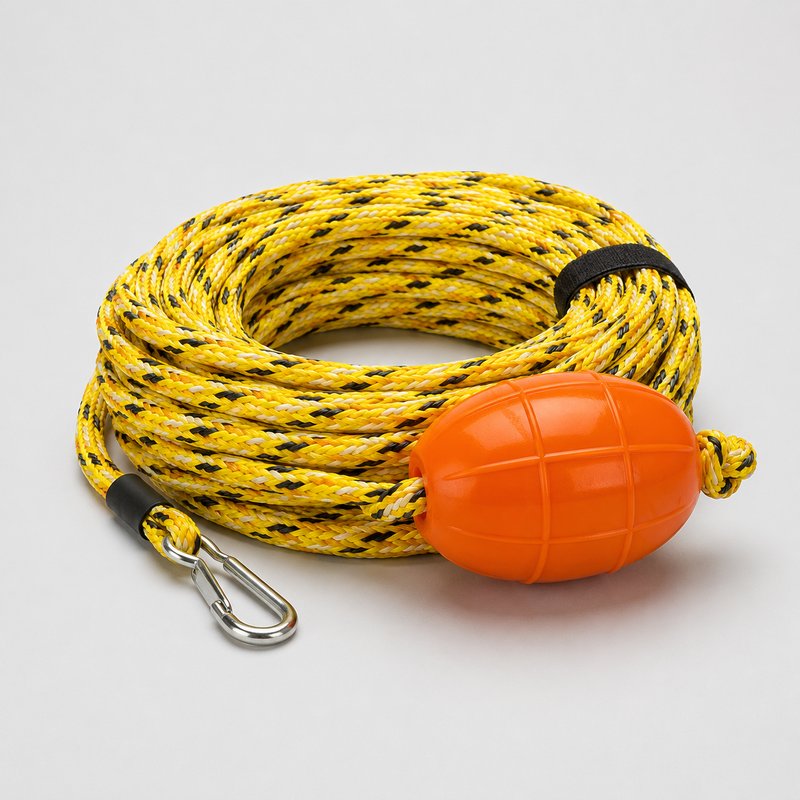
A tube is only as safe as the rope behind it. A rated 1–4 rider tow rope (with an optional booster ball to lift the line clear of the water) keeps the pull smooth and the rope out from underfoot.
Tubes are rated by maximum riders — a 2-rider tube is best with one or two, not crammed with three. Bigger multi-rider tubes need a more powerful boat to pull them up to speed, so match the tube to your engine as well as your crew.
Deck (lay-on) tubes sit on top for a faster, more aggressive ride that's easy to climb back onto. Cockpit (sit-in) tubes hold riders lower and feel more secure — the better pick for younger kids and cautious riders.
Tow rope strength must match the number of riders — ropes are sold by rider rating for exactly this reason. Never use a ski rope for tubing or improvise with dock line; a rope that snaps under load is dangerous.
Everyone on the tube wears a PFD, period. Assign a spotter to watch riders so the driver can watch the water, keep speeds sane (kids slower), and steer wide, gradual turns — the tube whips faster than the boat on the outside of a turn.
Match the tow rope's rider rating to the tube, not to your boat. A rope rated for fewer riders than the tube can fail under load — it's the cheapest part of the setup and the one most worth getting right.

Match it to your crew and your engine. One-to-two rider tubes pull easily behind most runabouts; larger three-plus rider tubes need a more powerful boat to plane and turn safely with a full load.
Use a tow rope specifically rated for tubing and for at least the tube's maximum rider count — typically a 50 to 60 foot rope. Don't substitute a water-ski rope, which isn't built for the higher loads of towing a tube.
Keep it sensible and scale to riders: slower for young children and faster only for confident adults, always within safe limits for conditions and traffic. Watch a designated spotter's signals and ease off in turns.
Yes — every rider should wear a properly-fitted, Coast Guard-approved PFD while being towed. It's required for towed watersports in most places and is essential whatever the local rule.
Affiliate Disclosure: BoatGear.co is reader-supported. When you buy through links on our site, we may earn an affiliate commission at no additional cost to you. As an Amazon Associate and eBay Partner, we earn from qualifying purchases. We only recommend gear we'd use ourselves, and we never invent specs or reviews.